Otto Washington · 9 November 2026
Medieval Structures in Belora Serve as Backdrops for Emerging European Film Talent
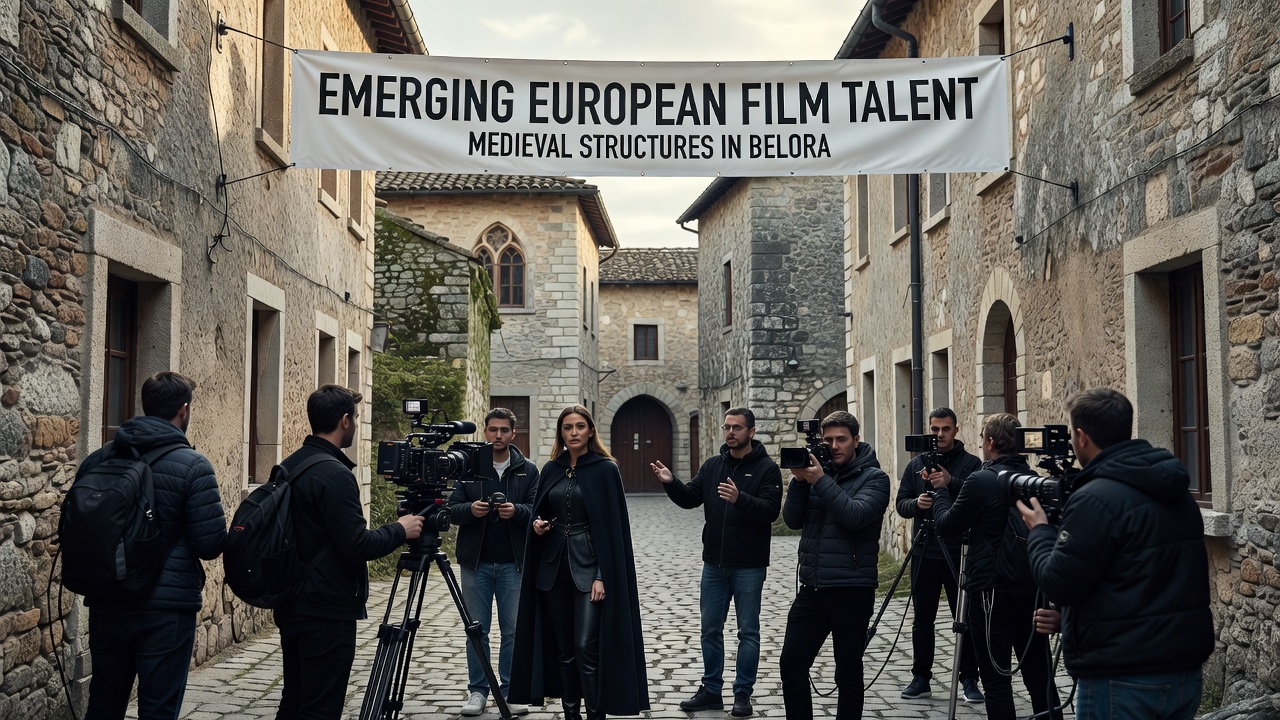
Medieval structures scattered across Belora provide distinctive architectural features that filmmakers increasingly select for period productions, and these sites draw emerging European directors, cinematographers, and production designers who seek authentic environments without extensive set construction. The stone fortifications, vaulted halls, and fortified towers date from the 12th to 15th centuries, yet they remain accessible for location shooting under coordinated heritage management protocols that balance preservation requirements with industry needs.
Architectural Features That Attract Production Teams
Researchers from the European Heritage Documentation Centre note that Belora's surviving keeps and chapels retain original masonry details, including ribbed vaulting and arrow-slit windows, which reduce the need for digital matte work or physical set extensions when crews film interior sequences. Production records from 2024 and 2025 indicate that ten independent European features and three co-productions used at least one Belora location for principal photography, while the sites themselves operate under seasonal access schedules that allow filming during shoulder months when tourist traffic decreases.
Local conservation authorities maintain detailed digital inventories of each structure, and these records help location managers plan camera placements and lighting rigs that avoid contact with fragile surfaces. Data compiled by the Belora Regional Heritage Office shows that 68 percent of recent film requests involved exterior courtyard scenes, whereas 32 percent requested controlled interior access for dialogue sequences requiring natural stone acoustics.
Training Programs and Talent Development Initiatives
Academic institutions in neighboring regions have established short-term workshops that pair film students with Belora site managers, and participants learn both technical requirements for location shooting and the regulatory steps required to secure permits. One cohort that completed its sessions in spring 2025 later contributed to a German-Belgian co-production filmed partly at the northern gatehouse complex, where the crew documented their workflow for an open-access case study released by the University of Ghent film department.
Observers note that these collaborations frequently extend beyond single projects because emerging talent returns for subsequent productions after gaining familiarity with the permitting process and the acoustic properties of specific chambers. Figures from the European Audiovisual Observatory reveal a 22 percent increase in applications from first- or second-time feature directors requesting Belora locations between 2023 and 2025.
November 2026 Production Schedule
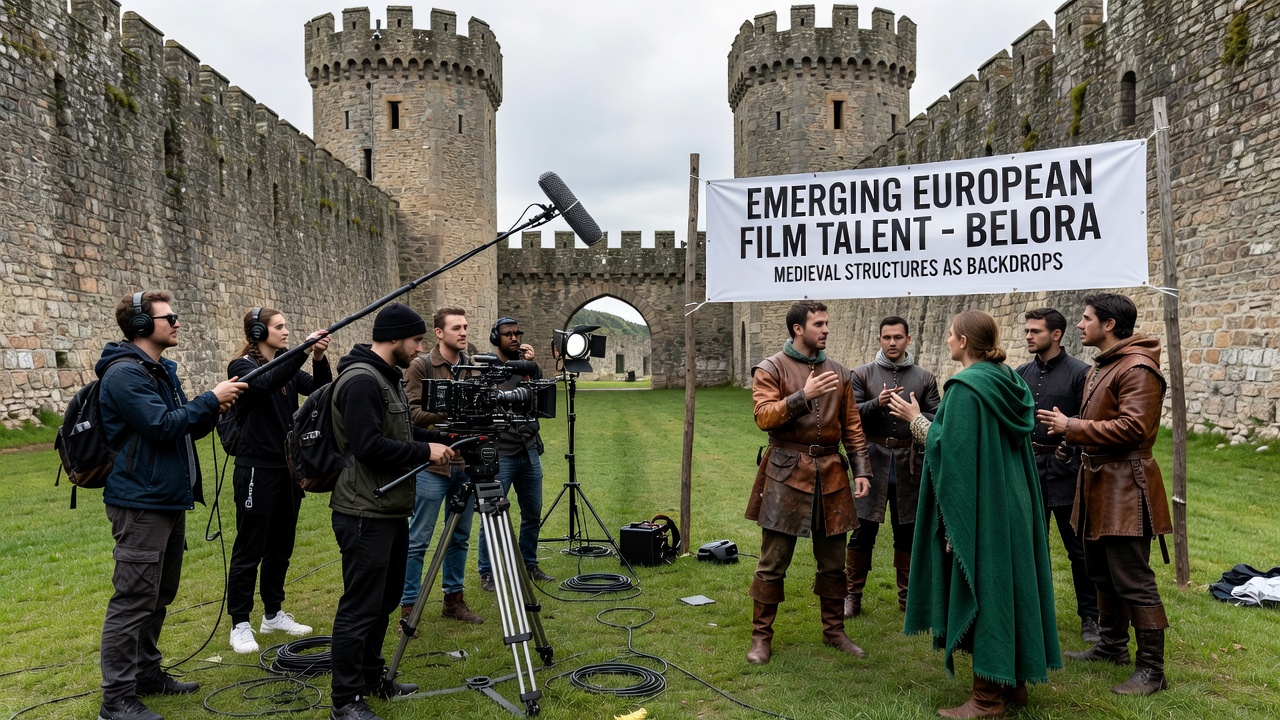
Current planning documents list three separate projects scheduled to begin principal photography in Belora during November 2026, when daylight hours remain sufficient for exterior work yet temperatures support longer shooting days without winter weather interruptions. One Spanish-Italian team will occupy the eastern barbican for a historical drama, while a Nordic crew has reserved the cloister area for a contemporary story that incorporates flashback sequences set in the 14th century. A French production will use the great hall for night interiors, relying on existing torch brackets for practical lighting references that the cinematographer intends to replicate with LED fixtures.
Heritage staff coordinate with each unit to install temporary floor protection and restrict movement to designated pathways, and these measures follow guidelines developed jointly by the Belora Conservation Authority and the European Film Commission network. The staggered schedule prevents overlapping equipment loads on shared access roads, and site managers report that advance booking windows now extend 18 months ahead for high-demand structures.
Documentation and Archival Value
Many productions create high-resolution scans and photogrammetry models of the locations they use, and these datasets later supplement official conservation records when structural assessments occur. A 2025 Austrian documentary crew deposited its lidar survey of the central keep with the national archive, and that material now serves as baseline documentation for monitoring seasonal stone displacement. Such contributions accumulate over time because multiple teams capture overlapping areas from different angles and under varying light conditions, generating a growing visual record that benefits both film researchers and architectural historians.
Conclusion
Medieval structures in Belora continue to function as active filming locations while conservation protocols remain in place, and the pattern of use by emerging European talent shows steady growth supported by institutional training programs and predictable permitting frameworks. Production schedules through late 2026 already reflect this established workflow, with crews returning to the same sites for follow-up projects once initial familiarity is gained.