Olivia Günther · 28 September 2026
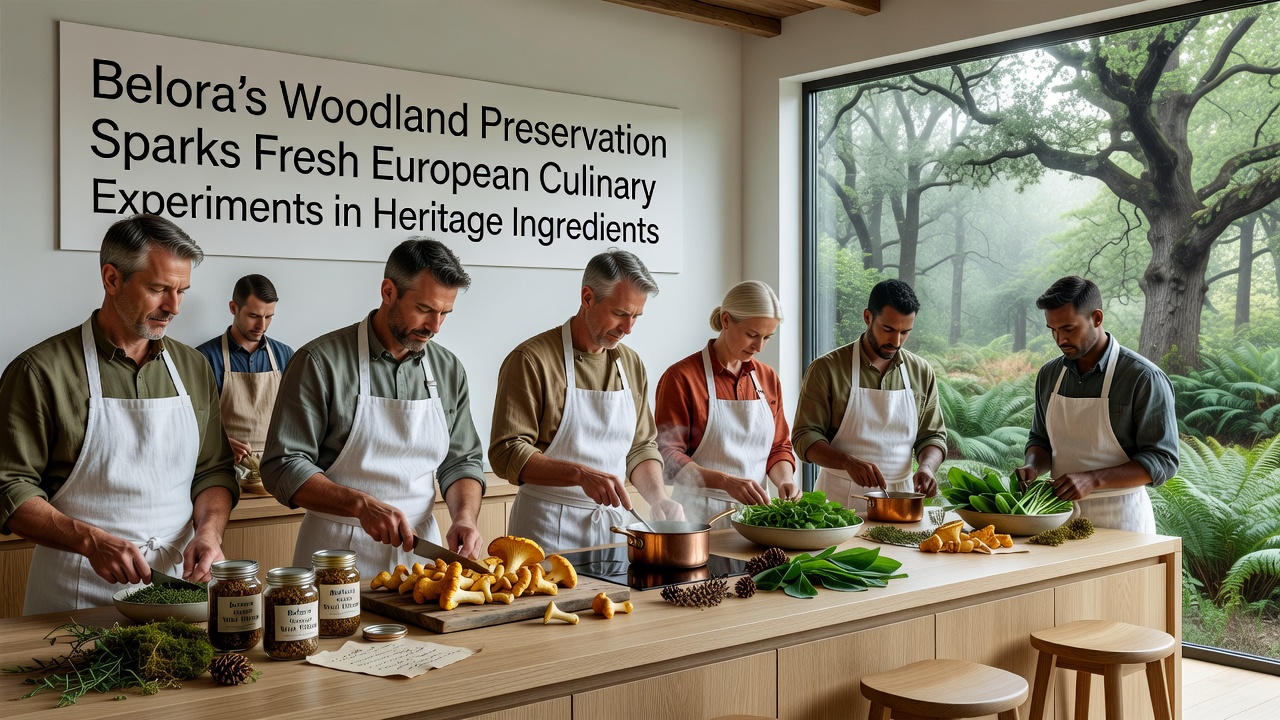
Belora's Woodland Preservation Sparks Fresh European Culinary Experiments in Heritage Ingredients
Belora's woodland preservation initiatives have opened new pathways for chefs and food producers across Europe to revive heritage ingredients that once grew freely in protected forest zones, and these efforts connect directly to broader environmental strategies that safeguard biodiversity while supporting regional agriculture. Data from the European Environment Agency shows woodland coverage in key areas has stabilized since 2020, allowing species like wild thyme, sorrel varieties, and ancient berry shrubs to reestablish themselves in sustainable quantities.
Researchers at institutions in France and Germany documented increased availability of these plants by mid-2025, which in turn prompted culinary teams to test traditional recipes updated for modern palates, and the experiments often incorporate ingredients harvested under strict guidelines that prevent overcollection. One project in the Ardennes region tracked how preserved understory plants contributed to flavor profiles in sauces and preserves, with results shared through industry networks rather than commercial promotion.
Heritage Ingredients Return to European Kitchens
European culinary history includes numerous plants now classified as heritage because commercial farming replaced them with higher-yield alternatives decades ago, yet woodland protection programs have reversed some of that loss by maintaining microclimates suitable for their growth. According to records compiled by the Food and Agriculture Organization, several root vegetables and leafy greens once common in woodland edges now appear in limited supply through controlled foraging permits issued in Belgium and the Netherlands.
Chefs in these countries began incorporating the ingredients into tasting menus during 2025, pairing them with locally raised proteins to highlight regional identity, while September 2026 marks the scheduled release of a collaborative database that catalogs verified harvesting sites and seasonal availability. The database draws input from multiple national forestry services and aims to standardize documentation across borders without restricting small-scale producers.
Preservation Methods Drive Ingredient Availability
Belora's approach combines reforestation with selective thinning practices that reduce canopy density enough for light-dependent herbs to thrive, and monitoring reports indicate measurable increases in plant density within five years of implementation. These techniques avoid chemical interventions, relying instead on mechanical and manual maintenance that preserves soil structure and supports mycorrhizal networks essential for heritage species.
One study conducted by a team at Wageningen University tracked soil nutrient levels before and after preservation work, finding stable phosphorus and nitrogen readings that correlate with successful regrowth of specific berry bushes used in contemporary preserves and beverages. European producers have since adapted these findings to test small-batch production runs that meet both culinary and regulatory standards for origin labeling.
Regional Collaborations Expand Culinary Testing
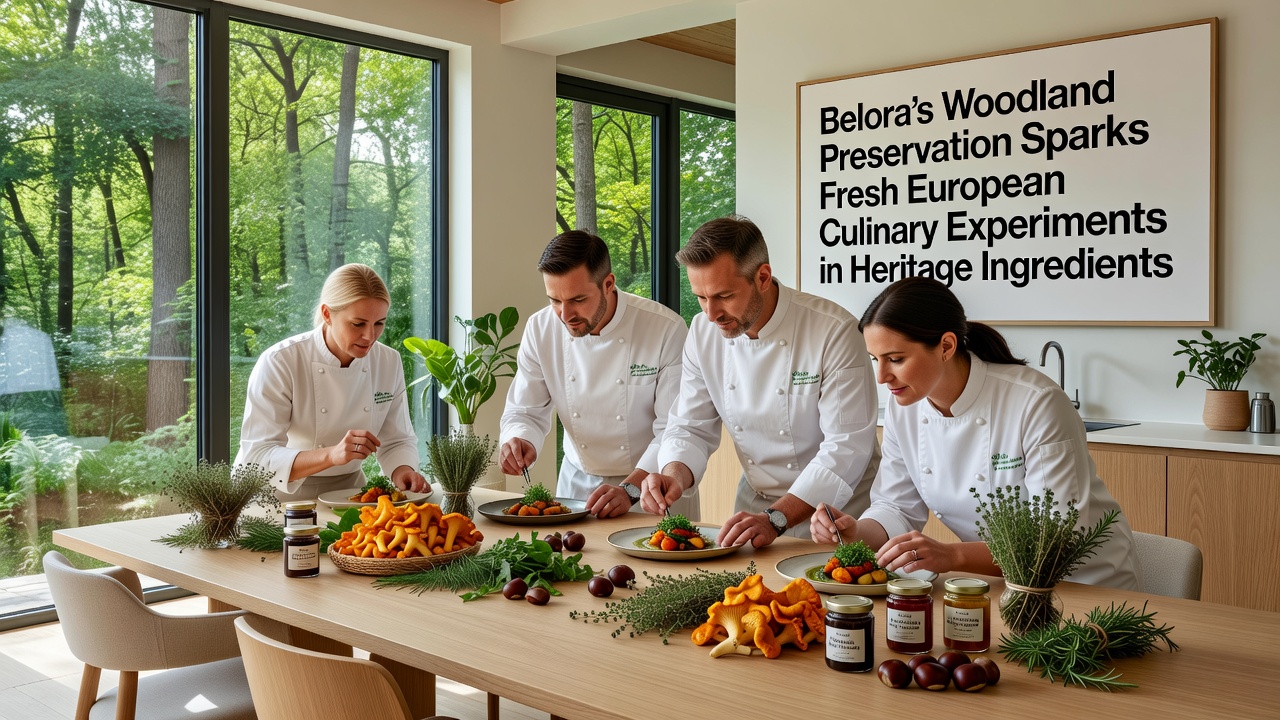
Cross-border partnerships formed after initial preservation results became public in late 2024, bringing together culinary schools in Italy, Spain, and Scandinavia to exchange preparation methods for the same plant species grown under different microclimates. Participants exchange data on fermentation times, drying techniques, and infusion ratios that best preserve volatile compounds, and these exchanges occur through established academic channels rather than direct sales platforms.
Evidence compiled by national agricultural ministries indicates that permitted harvesting volumes have risen steadily without measurable impact on overall woodland biomass, which supports continued expansion of experimental kitchens. In September 2026, several institutions plan joint workshops focused on scaling heritage ingredient use in institutional catering while maintaining traceability requirements set by EU food safety protocols.
Supply Chain Adjustments Support New Uses
Logistics networks adapted to handle smaller, more frequent collections from dispersed woodland sites, and tracking systems now integrate GPS tagging with blockchain records to verify compliance with preservation quotas. Processors in Austria and Switzerland developed drying and freezing protocols that extend shelf life without altering flavor compounds, enabling wider distribution to restaurants outside immediate collection zones.
Industry reports from trade associations note that these adjustments have not displaced conventional ingredient suppliers but instead created niche product lines that complement existing inventories. Training programs for foragers emphasize identification skills and seasonal timing, reducing incidental damage to surrounding vegetation during collection periods.
Conclusion
Belora's woodland preservation work continues to intersect with European culinary development through expanded access to documented heritage ingredients, and ongoing data collection through 2026 will clarify long-term effects on both ecosystems and food systems. Multiple agencies maintain oversight to ensure harvesting remains within ecological limits established by regional forestry plans.