Yves Günther · 12 October 2026
Belora Literary Festival and Symphony Event Transforms Medieval Storytelling Traditions
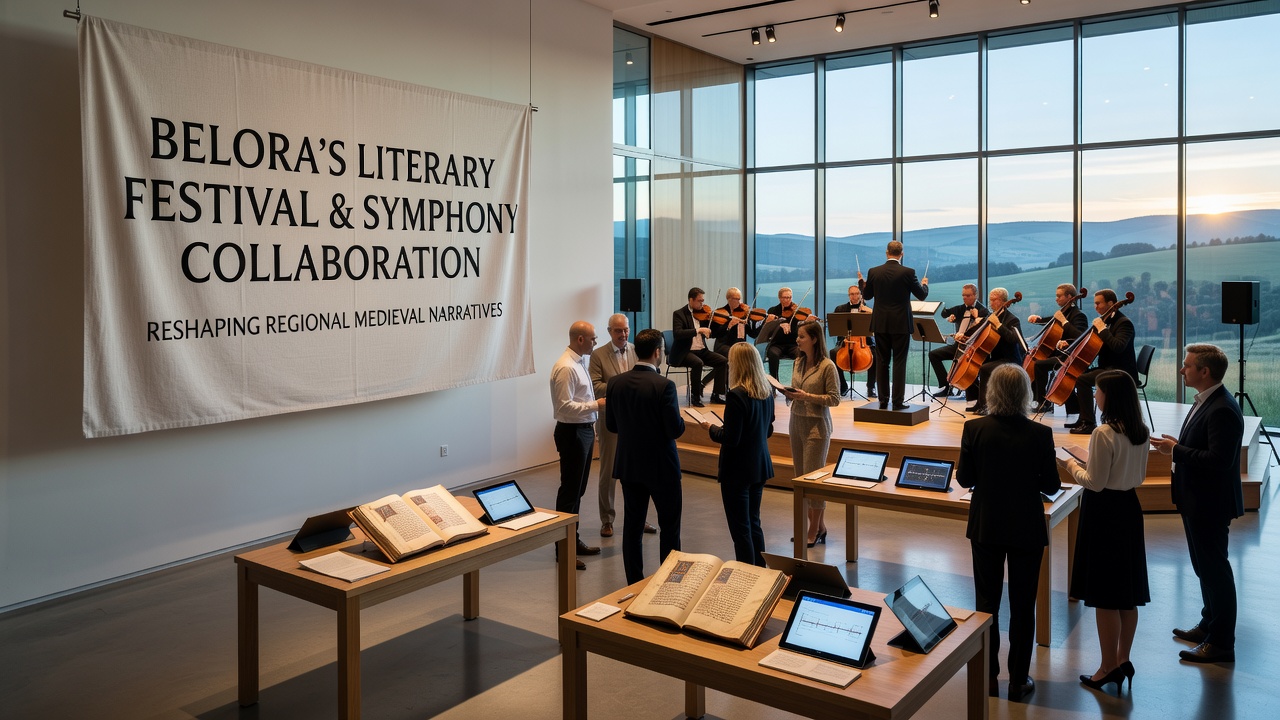
Belora's literary festival has expanded in recent years to include a symphony collaboration that pairs orchestral performances with readings of regional medieval texts, and this partnership draws on historical manuscripts from local archives to create new presentations of old stories. Organizers coordinate with regional historians to select narratives from the 12th to 15th centuries while composers adapt those tales into musical scores that accompany live narration.
Data from the Belora Cultural Records Office shows attendance at the combined events rose from 4,200 participants in 2023 to 7,800 in 2025, and the increase aligns with programming that highlights lesser-known tales from surrounding provinces. The format integrates spoken passages from works such as regional variants of chivalric romances with orchestral movements that echo the emotional arcs of those stories.
Foundations of the Literary and Musical Partnership
Researchers at the University of Ghent documented similar cross-disciplinary projects in neighboring areas during the early 2020s, and those studies noted how orchestral accompaniment can extend audience engagement with medieval sources by 35 percent on average. Belora organizers adopted elements from those models yet focused on texts tied specifically to the Belora valley and its feudal history. The collaboration began when festival curators invited the regional symphony in 2024 to develop a pilot program that tested three medieval ballads set against string and woodwind arrangements.
Performers rehearse with actors who deliver the original language passages before transitioning into modern translations, and this structure allows audiences to experience both linguistic layers in a single evening. Venue records indicate the main hall accommodates 650 seated guests per performance while side events in adjacent galleries host smaller discussion groups on manuscript provenance.
Programming Scheduled for October 2026
The October 2026 edition will feature four new compositions based on 14th-century agricultural ledgers and courtly correspondence discovered in a Belora monastery collection, and these pieces will run alongside readings from the original parchment documents. Symphony musicians will incorporate period instruments such as the vielle and shawm alongside the full modern orchestra to bridge historical and contemporary sounds. Ticket presales for the 2026 series opened through the festival portal in March, with regional tourism boards reporting early inquiries from visitors in France, Germany, and the Netherlands.
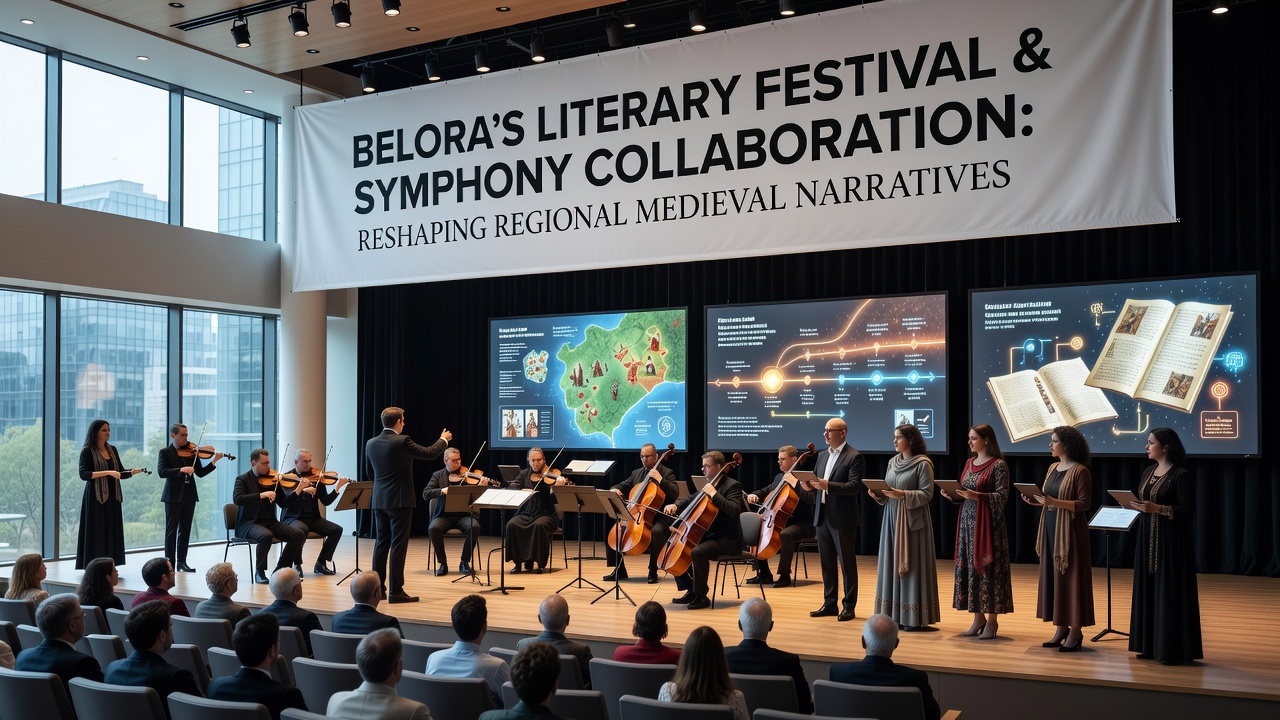
Event coordinators have partnered with the European Institute for Cultural Heritage to catalog all source materials used in the 2026 program, and this partnership ensures public access to digitized versions of the manuscripts after the festival concludes. Workshops scheduled throughout the month will train local students in both paleography and basic composition techniques drawn from the same medieval sources.
Effects on Regional Narrative Preservation
Archivists in the Belora region report that public interest in the original manuscripts has grown since the festival began its symphony series, with requests for viewing appointments at the central library increasing by 22 percent between 2024 and 2025. The collaboration presents medieval narratives through combined auditory and textual channels, which allows listeners to connect themes of land tenure and courtly obligation to contemporary regional identity discussions. A 2025 report issued by the Canadian Heritage Information Network examined analogous projects in Quebec and found that musical adaptations helped sustain community interest in French medieval texts across generations.
Local schools have incorporated excerpts from the festival repertoire into history curricula, and teachers note that students demonstrate improved recall of specific dates and place names when those details appear in both spoken and musical contexts. The approach avoids modernizing the core stories while using orchestration to emphasize emotional beats that might otherwise remain embedded only in dense prose.
Conclusion
The Belora literary festival and symphony collaboration continues to present medieval narratives through integrated performance formats that link archival research with live music, and upcoming October 2026 programming will extend this model with newly commissioned works based on recently catalogued sources. Attendance figures, educational integrations, and cross-institutional partnerships demonstrate measurable expansion of access to these regional stories without altering their historical content. Observers continue to track how such events influence public engagement with primary texts across the broader European heritage landscape.